Product Configurator
Why Online Shops Need a 3D Product Configurator
Online shoppers want to understand a product before they buy it. A 3D product configurator lets them explore options, compare finishes and build the version that fits their needs. The experience is clear and interactive, so customers can make a more confident decision. VisCircle creates browser-based 3D product configurators for online shops that bring product details into focus without relying on static images alone.
The Limits of Standard Online Shop Product Pages
Static product pages often leave important questions unanswered. A photo can show the general look, but it rarely communicates how a material behaves, how options work together or what a finished product will feel like in context. Customers may need to compare several images, search for additional details or postpone the decision.
This is especially difficult for products with multiple variants. A colour swatch or short description cannot show the complete result of a chosen combination. Interactive 3D visualisation gives shoppers a clearer view of the product before they add it to the basket. It helps them understand the available options and reduces uncertainty without relying on unsupported performance claims.
Clear product information also supports more accurate expectations after purchase. When customers can inspect a configured product from different angles and understand its materials and dimensions, they have a better basis for deciding. A well-implemented online shop configurator makes that information part of the buying journey rather than an extra research step.
What an Online Shop Configurator Does
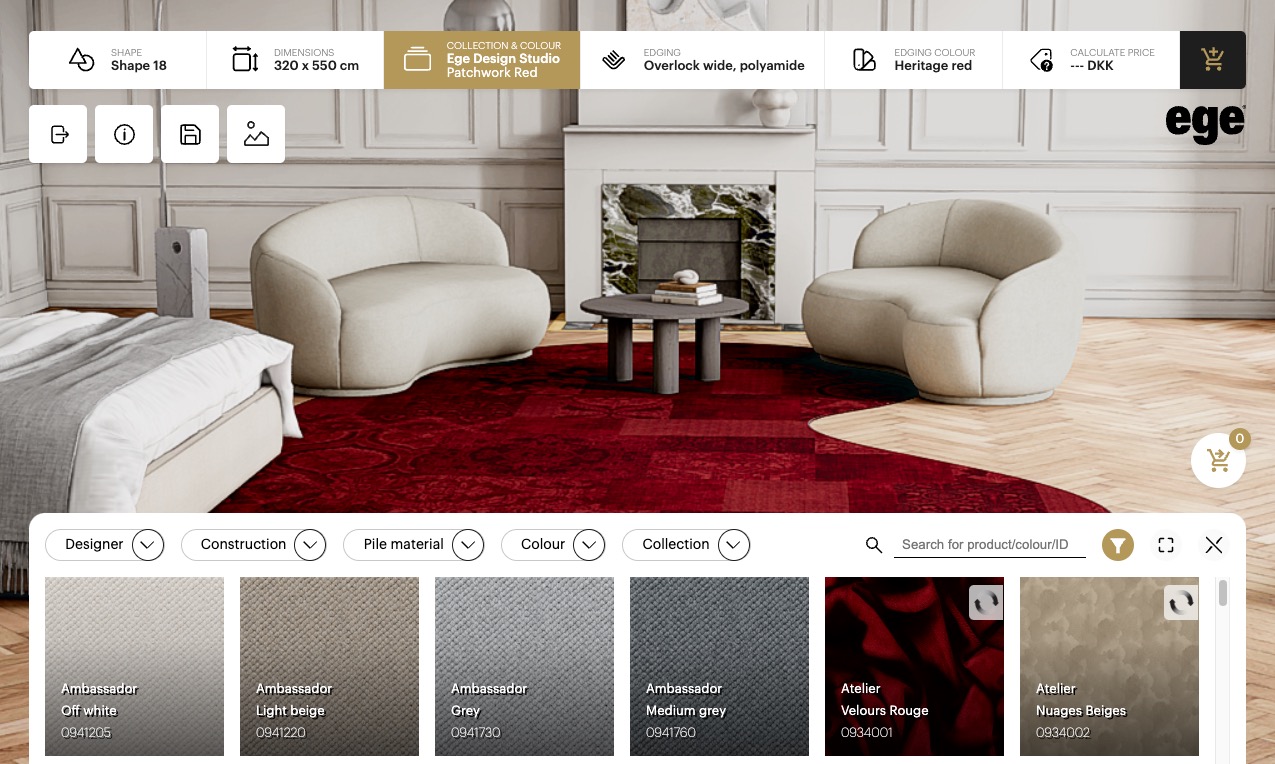
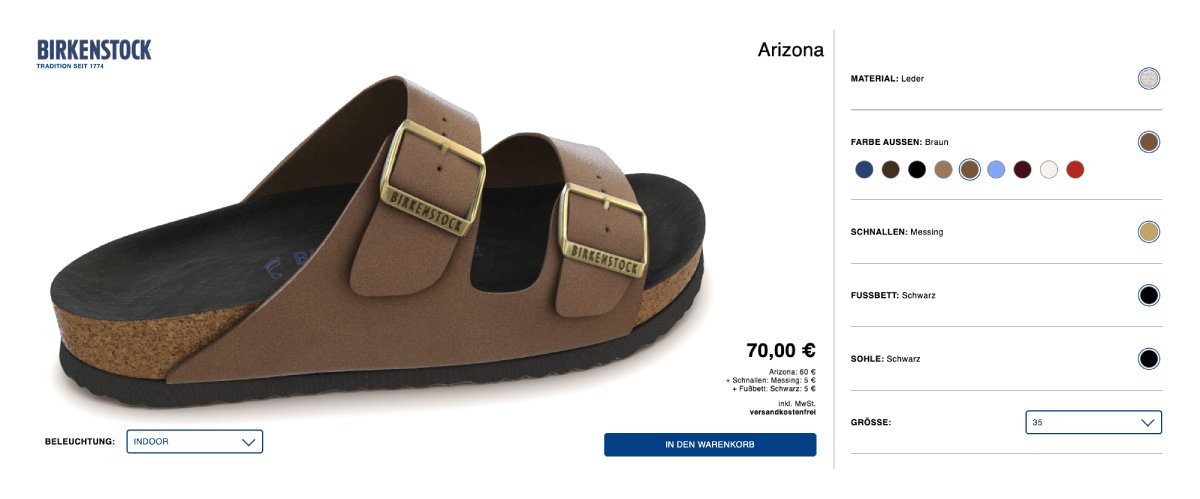
An online shop configurator is an interactive product experience built into your store. Customers can choose colours, materials, dimensions, add-ons or engravings and see those choices applied to a 3D model. The preview updates as they work, so the relationship between each option and the finished product stays clear.
WebGL allows current browsers to render interactive 3D content without a plug-in or a separate app. A well-structured configurator adapts to the device, keeps controls understandable and gives customers an immediate view of the product they are building.
Beyond the visual experience, configurator interactions can provide useful first-party insight into which options attract attention and where customers need more guidance. Combined with browser-based augmented reality, the same model can be placed in a customer’s surroundings so they can judge scale, proportion and style before purchasing.
Key Benefits for Your Online Shop
A 3D product configurator can support several parts of the customer journey. It gives shoppers a clearer product view, makes complex options easier to understand and helps them compare possible configurations before checkout.
Clearer decisions: When customers can explore a product instead of interpreting a small set of photos, they have more context for their choice. The configurator can show how finishes and options work together and keep the result visible while they explore.
More confident purchases: A preview of the selected configuration gives customers a better understanding of what they are ordering. That supports a transparent buying experience and can reduce avoidable misunderstandings.
More relevant product presentation: Personalised products are easier to present when the configurator reflects the customer’s choices. The experience can highlight premium options, complementary materials or practical differences without forcing customers to leave the product page.
Useful product insight: With appropriate consent and analytics, interactions can reveal which options are explored and where shoppers need support. Teams can use those insights to refine product information, merchandising and the configuration flow.
See our selected 3D configurator projects to see how these benefits are applied in practice.
Which Online Shops Benefit Most
Online shops benefit most from a configurator when products have meaningful variations or when customers need to see a product in context before buying. It is a strong fit for:
Augmented Reality for Online Shop Configurators
Augmented reality extends the configurator beyond the product page. After choosing a product and its options, customers can place the configured model in their surroundings with a smartphone or tablet. They can check scale, proportions and how the product works with the space around it before making a decision.
Browser-based AR can work without an app download when the device supports it. The strongest experience uses the same 3D model, materials and configuration data for both the online preview and the AR view. That keeps the product consistent across the journey and avoids separate tools or duplicated assets.
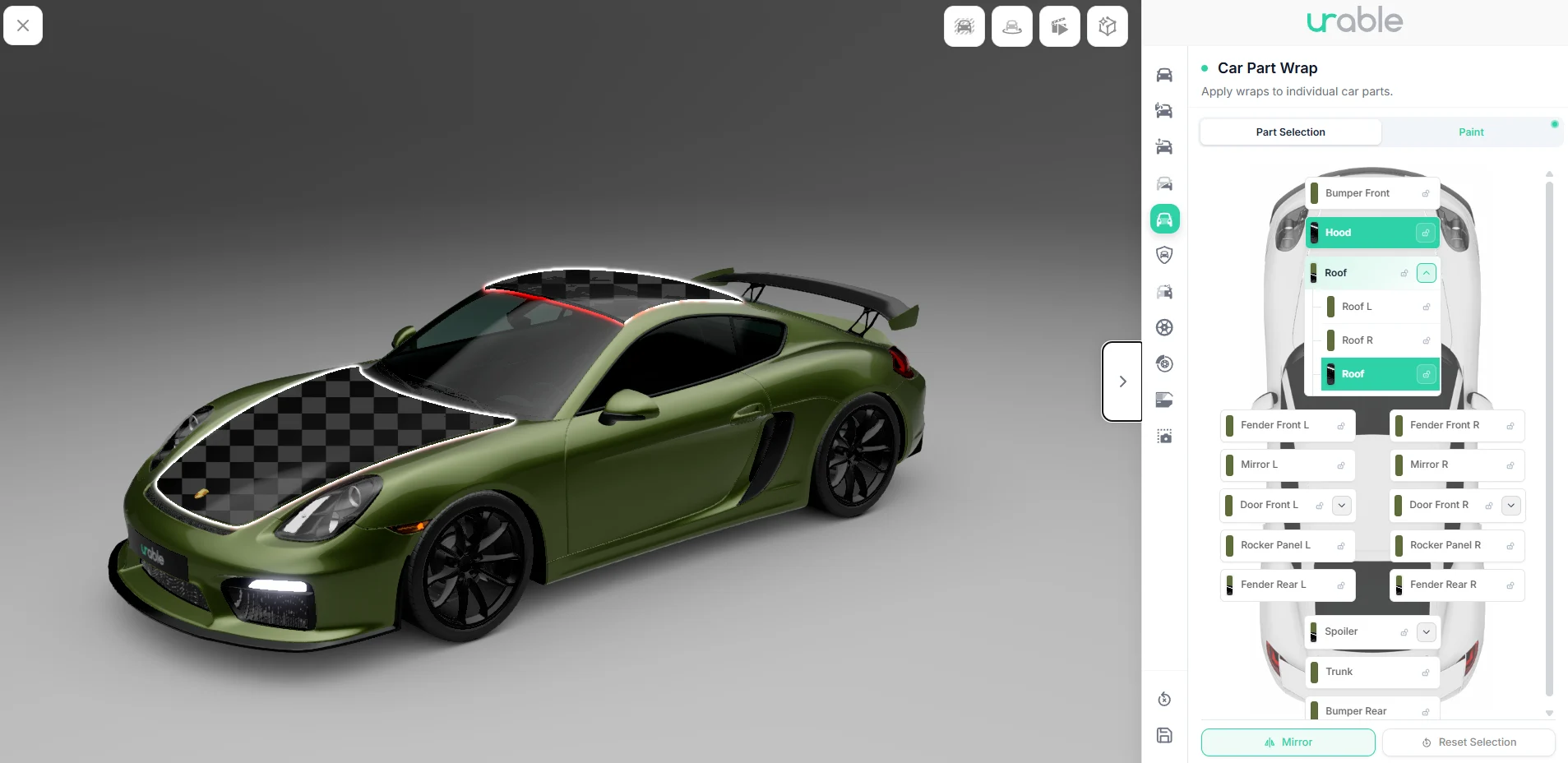
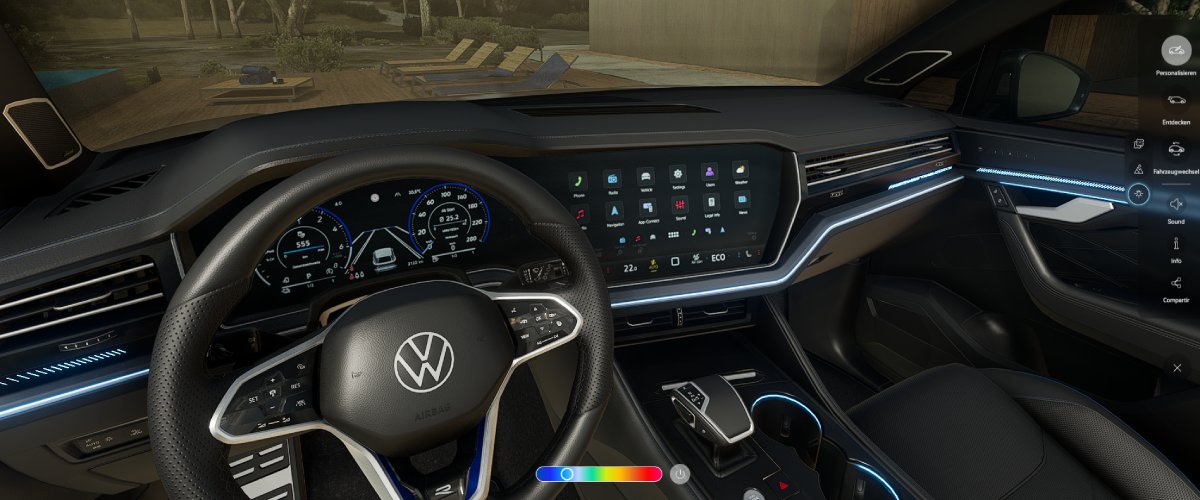
Our automotive configurator and AR experiences for Volkswagen show how WebGL configurators and AR can work in a connected workflow. We focus on accurate product representation, clear controls and an experience that fits the way your customers shop.
Getting Started with a VisCircle Configurator
We start with your product and its options. As a specialized 3D configurator agency, VisCircle creates or prepares 3D assets for real-time use, then builds the configuration logic around your materials, variants and business rules. The result is a tailored experience that fits your brand and product range.
We connect the configurator to your shop system. Depending on your setup, this can include WooCommerce, Shopify, a custom storefront or a headless commerce stack. Product data, availability and configuration details can be connected so the experience fits into your existing process.
AR can be planned as part of the same project. The configured product can use the same model and material data in the browser and in an AR view, giving customers a consistent experience.
After launch, we can review how customers use the configurator, identify points of friction and refine the experience. This creates a practical basis for improving product presentation as your range develops.